Garland's Root Intrusion Removal Specialists
Root Intrusion Removal for Garland Sewer Lines
Clear root blockages and find out whether the pipe needs a lasting repair.
Garland's Root Intrusion Removal Specialists
Clear root blockages and find out whether the pipe needs a lasting repair.
Garland's mature pecan, oak, and elm trees are a major reason older sewer lines clog and fail. Roots enter through small cracks or clay tile joints, then expand until the pipe can no longer move waste the right way.
Removing roots may restore flow, but it does not seal the opening where they entered. That is why recurring root clogs need a camera inspection after clearing, especially if the line has been snaked more than once.
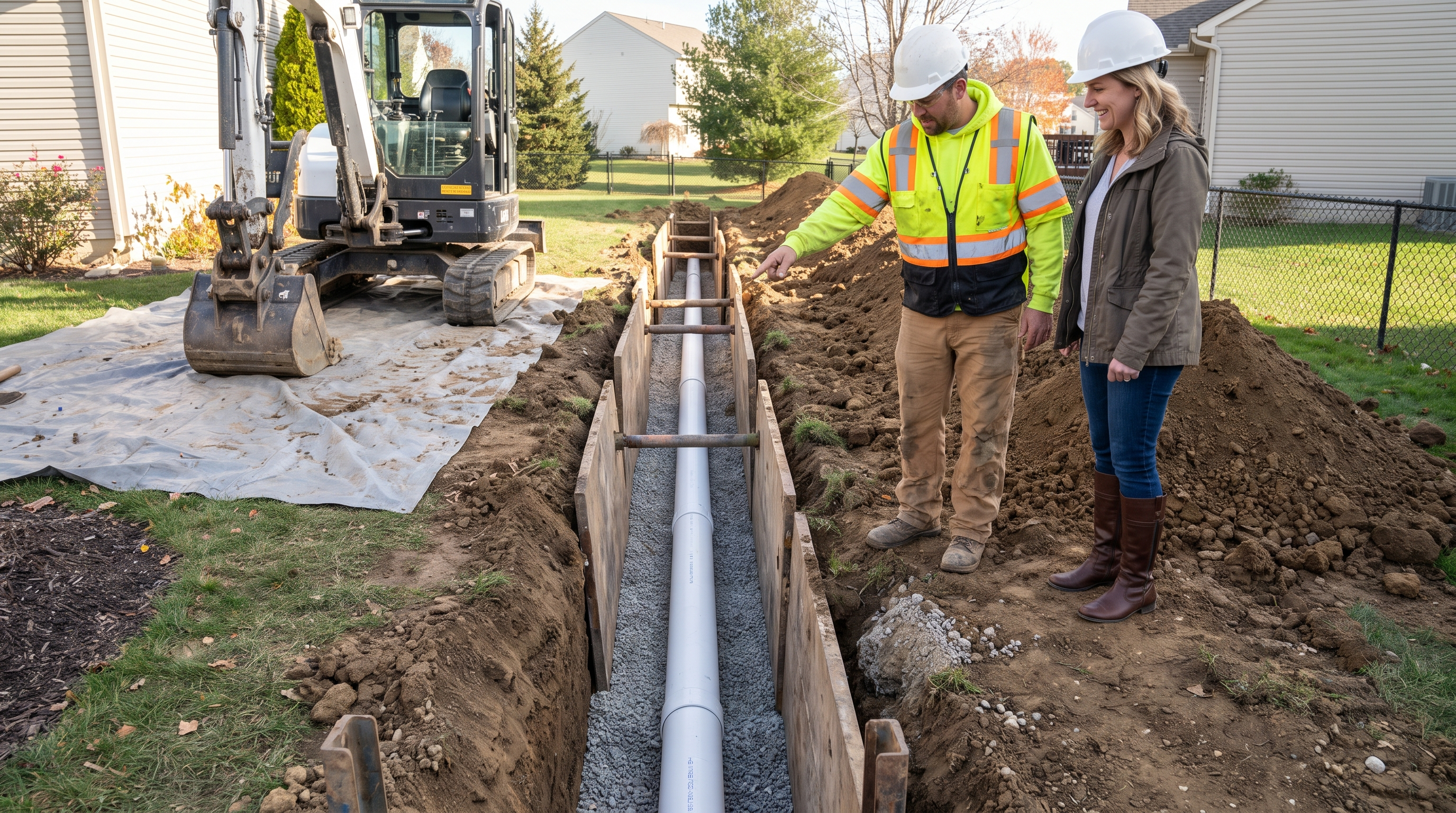
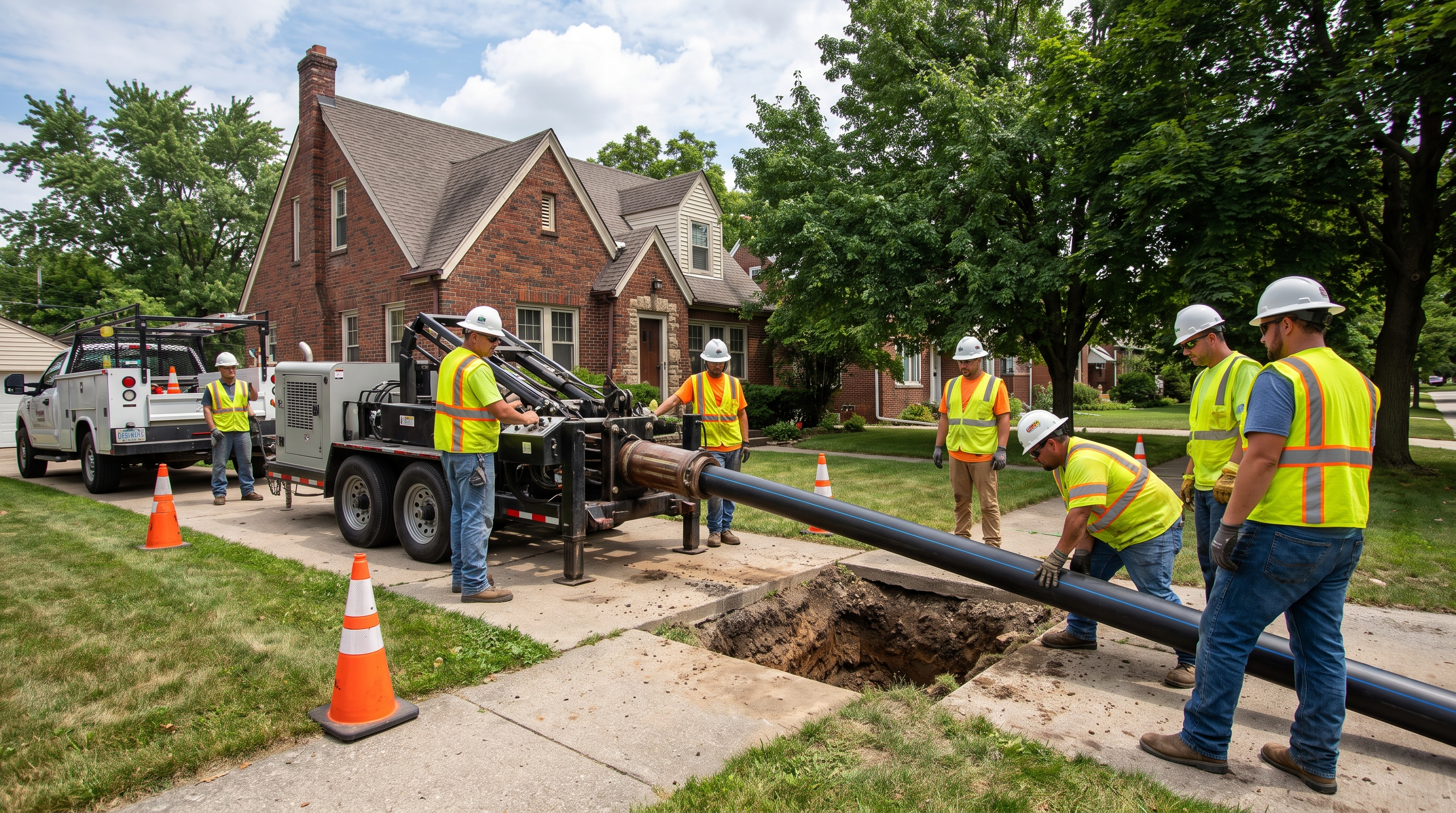
For an intact pipe, hydro jetting or mechanical cutting may be the first step. If the pipe is cracked, separated, or weak, CIPP lining, pipe bursting, spot repair, or full replacement may be the more durable fix.
Root intrusion is not just a nuisance. Left alone, roots can widen joints, catch solids, cause sewage backups, and contribute to pipe collapse.
Root removal should clear the immediate blockage and identify the pipe opening that allowed roots inside.
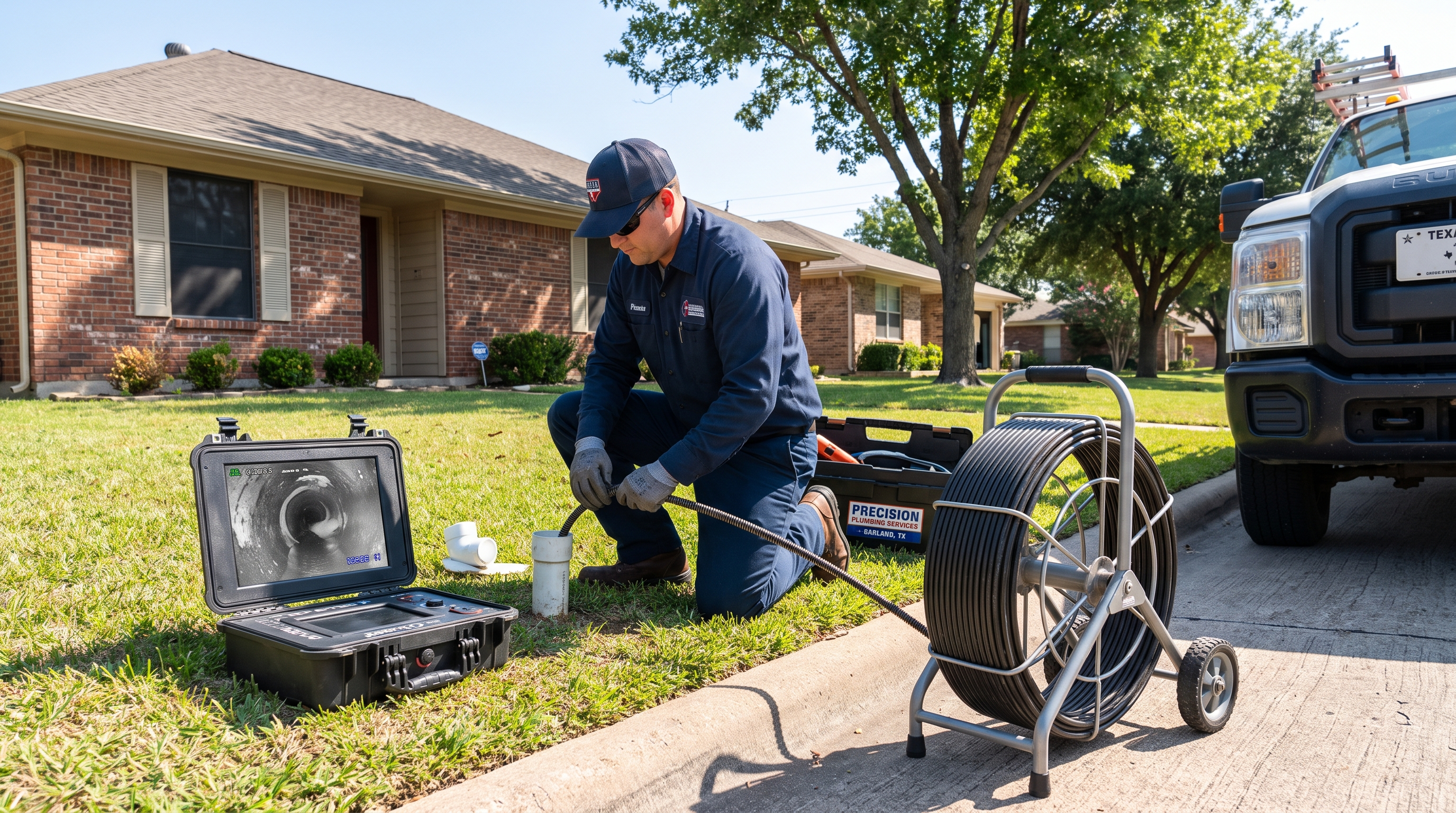
A camera inspection or sewer scope identifies where roots have entered and how much of the pipe is blocked. This helps separate a one-time clog from a structural failure.
The contractor removes root masses using the method appropriate for the pipe condition. Older clay and cast iron lines require care because aggressive clearing can expose weak sections.
After roots are cleared, the contractor explains whether lining, pipe bursting, spot repair, or continued maintenance is the right next step.
Root intrusion is common where older pipe materials meet mature tree canopies. Local contractors know to look beyond the clog and check the joints, grade, and pipe wall.
Homeowners need to know whether roots will return. A post-removal review helps decide between maintenance, lining, bursting, or replacement.
Clear the root blockage and get a real plan for keeping it from coming back.
Free — no obligations
The contractor asks how often the line has clogged, which drains are affected, and whether roots were seen on a previous scope.
The contractor inspects the line to identify where roots entered and whether the pipe still has enough structure for cleaning.
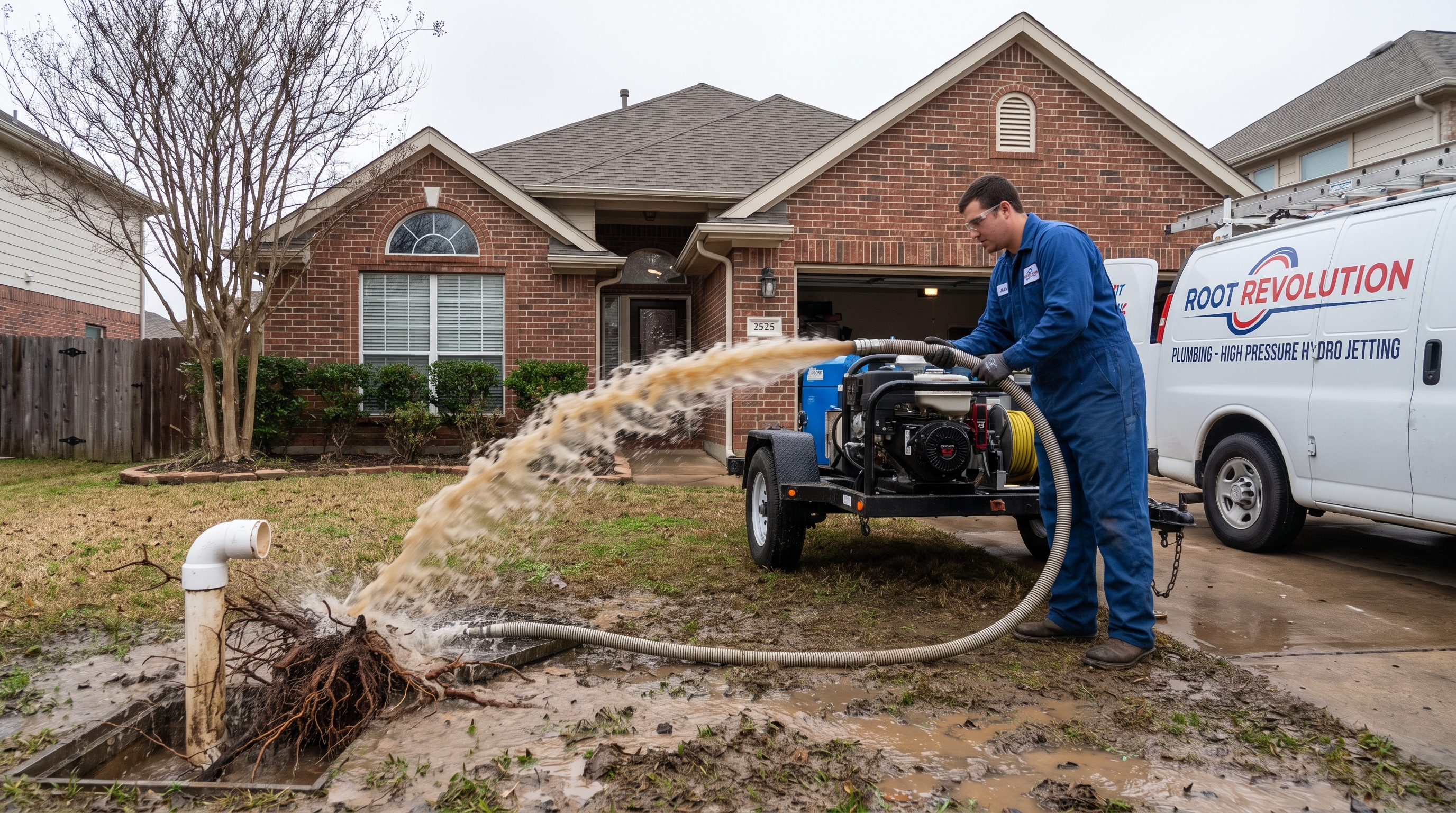
Roots are cut, jetted, or cleared using equipment suited to the pipe material and condition.
The contractor explains whether ongoing maintenance, CIPP lining, pipe bursting, or replacement is the best long-term path.